
Tony’s Timeless Thursdays™: Masters of the Universe 1987: The Cult Classic That Still Has the Power


Some movies become classics because they were perfect from the start. Others become classics because time, nostalgia and childhood love refuse to let them die. Masters of the Universe, the 1987 live-action film starring Dolph Lundgren as He-Man and Frank Langella as Skeletor, belongs firmly in that second category. It was not the blockbuster Hollywood wanted it to be when it first arrived, but for a generation of kids who grew up with He-Man toys, Filmation cartoons, Castle Grayskull playsets and that unforgettable battle cry, the movie still holds a strange, colorful and powerful place in pop culture history.
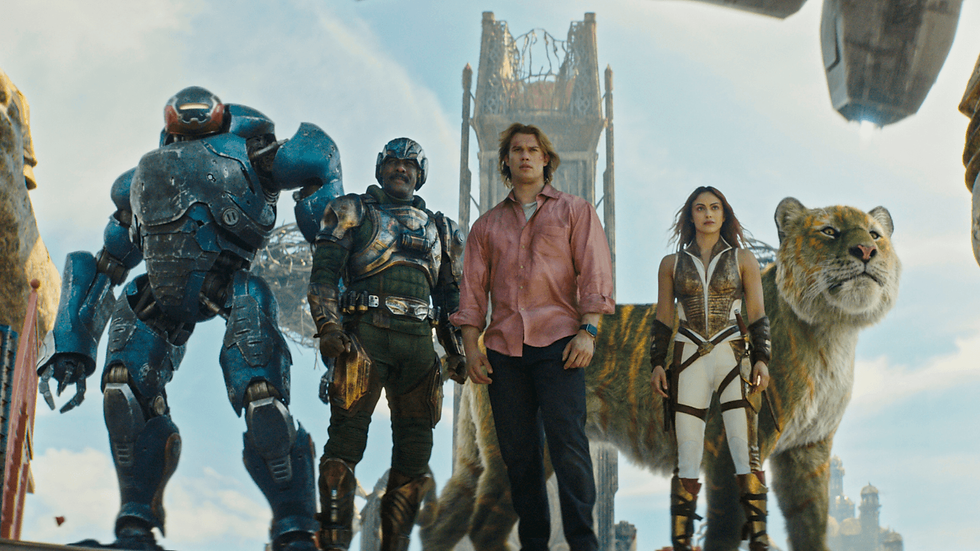
And now, with the new Masters of the Universe movie arriving in theaters on June 5, 2026, just in time for my birthday weekend, the kid in me is excited all over again. There is something special about seeing a childhood universe return to the big screen. It is not just about nostalgia. It is about remembering who we were when these stories first captured our imagination, and realizing that somewhere deep inside us, that child still believes heroes can rise, swords can shine and evil can still be defeated. The new film, directed by Travis Knight and starring Nicholas Galitzine as Prince Adam/He-Man, Camila Mendes as Teela, Idris Elba as Duncan/Man-At-Arms and Jared Leto as Skeletor, brings the franchise back to theaters nearly 40 years after the original live-action movie.
Before the Movie, There Was a Toy Line That Took Over Childhood
To understand the 1987 movie, you have to understand just how massive Masters of the Universe was in the 1980s. This was not just another cartoon, toy line or Saturday morning distraction. It was one of the defining fantasy brands of a generation. Mattel launched the first wave of Masters of the Universe toys in 1982, and the franchise quickly grew into a multimedia phenomenon built around exaggerated action figures, mini-comics, wild character designs and a mythology that mixed sword-and-sorcery fantasy with science fiction adventure.
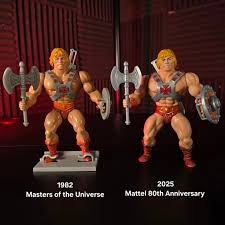
What made He-Man so exciting was the way the franchise blended different childhood obsessions into one world. There were castles, swords, monsters, lasers, robots, sorceresses, beasts, skeleton-faced villains and muscle-bound warriors all existing together on Eternia. It was fantasy, but not quiet fantasy. It was loud, colorful, strange and absolutely toy-box ready. A child did not need a long explanation to understand the appeal of He-Man standing against Skeletor. The visuals alone told you everything you needed to know: one side was heroic power, the other was wicked ambition, and the fate of Eternia hung in the balance.
The Cartoon Made He-Man a Household Name
The Filmation animated series He-Man and the Masters of the Universe premiered in 1983 and helped turn the toy line into a household name. The cartoon gave structure to the mythology, establishing Prince Adam as the seemingly carefree royal heir who transforms into He-Man, the most powerful man in the universe, by raising the Power Sword and calling upon the power of Grayskull. The show also gave generations of kids one of the most iconic transformation phrases in animation history: “By the power of Grayskull!”
The series was not just about battles and monsters either. Filmation famously included moral lessons at the end of episodes, giving He-Man a strange but memorable balance of action, fantasy and character-building advice. For kids, it was exciting to watch He-Man punch through danger and outsmart villains. For parents, the lessons gave the series a softer educational edge. The result was a show that felt both thrilling and safe, heroic and instructive, mythic and marketable all at once.
Then came She-Ra. In 1985, He-Man and She-Ra: The Secret of the Sword introduced Princess Adora, He-Man’s long-lost twin sister, who became She-Ra and headlined She-Ra: Princess of Power. That expansion gave the franchise an even larger mythological scope, bringing in Etheria, Hordak and the Evil Horde while proving that this universe was big enough to hold more than one champion.
The 1987 Movie Had the Power — Even If Hollywood Didn’t Know What to Do With It
By the time the 1987 Masters of the Universe movie arrived, He-Man was already an icon to millions of children. The film was directed by Gary Goddard and produced by Cannon Films, the studio known for big ambition, wild swings and budgets that often struggled to match the size of the ideas. On paper, a live-action He-Man movie should have been an event. In practice, the film became one of the strangest and most fascinating fantasy adaptations of the 1980s.
The movie follows He-Man, Man-At-Arms, Teela and Gwildor as they battle Skeletor, who has taken control of Castle Grayskull and captured the Sorceress. The story introduces the Cosmic Key, a musical device that can open portals across space and time, and that key ends up transporting the conflict from Eternia to Earth. That Earth-based shift became one of the film’s most debated creative choices. Some fans wanted more Eternia, more classic characters and more direct connections to the cartoon. Instead, much of the movie placed He-Man in a small-town Earth setting with teenagers Julie Winston and Kevin Corrigan caught in the middle.
But here is the thing: even with all its limitations, the movie still has a charm that refuses to go away. The sets may not give us enough Eternia. Some costumes may feel like the filmmakers were working around what they could afford. The story may feel more like Star Wars, Flash Gordon and Superman were thrown into a cosmic blender. Yet somehow, the movie still has energy, sincerity and campy grandeur. It is not polished perfection. It is 1980s fantasy ambition fighting through budget restrictions, and that makes it oddly lovable.
Dolph Lundgren Looked Like He-Man Walked Off the Toy Shelf
Dolph Lundgren had the physical presence to play He-Man. Coming off his breakout role as Ivan Drago in Rocky IV, Lundgren looked like a real-life action figure, and visually, that mattered. He had the height, the build and the warrior presence that made him believable as Eternia’s champion. Even if the script did not always give him the deepest emotional material, he carried the image of He-Man with a seriousness that helped ground some of the film’s stranger choices.
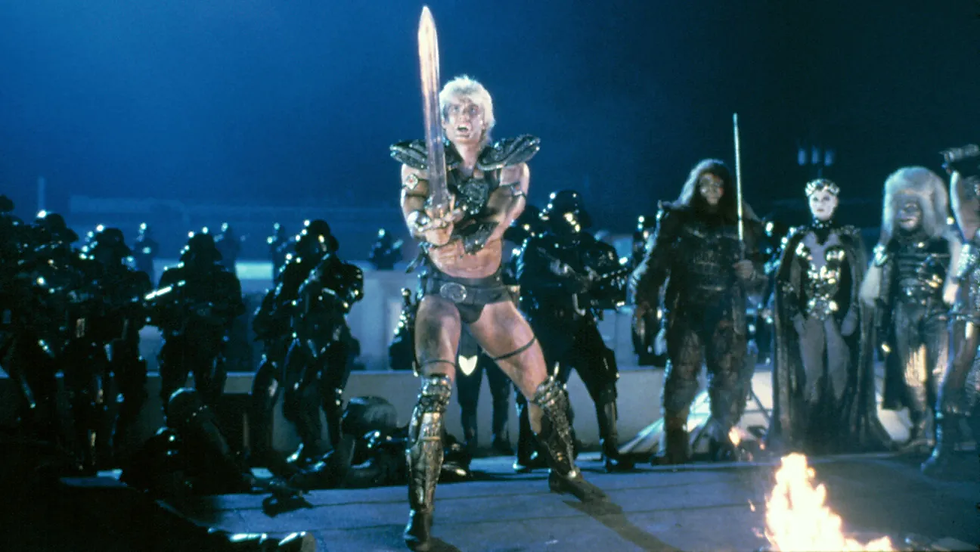
There is something wonderfully old-school about Lundgren’s He-Man. He is earnest, noble and direct. He does not wink at the audience or make fun of the source material. He plays the character like a warrior who believes in duty, courage and protecting the innocent. That sincerity is important because if He-Man had been played as a joke, the entire film would have collapsed under its own weirdness. Instead, Lundgren treats the fantasy seriously, and that gives the movie more dignity than many critics gave it credit for at the time.
Frank Langella’s Skeletor Is the Movie’s Crown Jewel
If there is one element of the 1987 movie that nearly everyone agrees works, it is Frank Langella as Skeletor. Langella did not phone this in. He did not treat Skeletor like a silly toy villain beneath his talents. He brought theatrical power, menace and Shakespearean arrogance to the role, giving the film a villain who feels far more compelling than the movie around him sometimes allows.

Langella’s Skeletor is not just a cackling cartoon villain. He is vain, ambitious, cruel and obsessed with godlike power. His performance gives the movie its grandeur. Every time he appears on screen, the film feels bigger. His voice, posture and command of language make Skeletor feel like a tyrant who truly believes the universe belongs to him. For many fans, Langella remains one of the greatest parts of the entire franchise’s live-action history.
What makes the performance even cooler is that Langella has spoken fondly of the role over the years, reportedly saying he took it partly because his son loved He-Man. That matters because it shows up onscreen. He may be playing a skull-faced villain in a fantasy toy movie, but he gives Skeletor the full weight of a serious theatrical antagonist.
The Cast Was Full of Familiar Faces and Future Favorites
The supporting cast also gives the movie a fascinating place in 1980s pop culture history. Meg Foster played Evil-Lyn with icy confidence and those unforgettable eyes, making her feel dangerous even when standing next to Skeletor’s theatrical madness. Jon Cypher played Man-At-Arms, bringing veteran heroic energy to Duncan, while Chelsea Field played Teela with strength, attitude and warrior presence. Billy Barty played Gwildor, the film’s new character who essentially replaced Orko as the story’s inventor and comic relief.


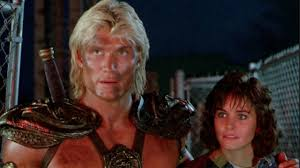
Then there is Courteney Cox as Julie Winston, years before Friends made her a television superstar. Seeing Cox in Masters of the Universe now gives the movie an extra layer of nostalgia because she represents the film’s connection to a future wave of pop culture. Robert Duncan McNeill, who played Kevin, later became widely known to science fiction fans as Tom Paris on Star Trek: Voyager. James Tolkan, already familiar to 1980s audiences from Back to the Future, brought his signature authority and intensity as Detective Lubic. That cast gives the movie a time-capsule quality, connecting He-Man to multiple corners of 1980s and 1990s fandom.
The Movie’s Earth Setting Was Controversial, but It Created Its Own Weird Identity
One of the biggest criticisms of the 1987 film is that too much of it takes place on Earth. Fans wanted Eternia. They wanted more Castle Grayskull, more Snake Mountain, more Battle Cat, more Orko, more Beast Man, more Trap Jaw and more of the colorful world they knew from the toys and cartoon. Instead, the movie gave audiences a story where He-Man and his allies spend much of their time navigating an American town while trying to recover the Cosmic Key.

That choice likely came down to budget as much as storytelling. Building a fully realized Eternia for a live-action film in 1987 would have been expensive, and Cannon Films was already dealing with financial strain. The result was a movie that sometimes feels like it is trying to be an epic space fantasy while being forced to operate like a smaller Earthbound adventure. The strange thing is that this limitation also gives the movie its identity. It is not the cartoon in live action. It is a bizarre portal fantasy where Eternian warriors crash into 1980s America, and that weirdness is part of why people still talk about it.
Bill Conti’s Score Deserved More Love
One of the most underrated elements of Masters of the Universe is Bill Conti’s score. Conti, already famous for his work on Rocky, gave the film a sweeping orchestral sound that tried to make Eternia feel grand, mythic and heroic. Even when the visuals could not always reach the scale the story wanted, the music often did. The score gives the movie a sense of destiny, danger and adventure that helps elevate the material.
That is one of the reasons the movie still feels bigger in memory than it sometimes looks onscreen. The music tells your imagination that this is an epic cosmic battle. Conti understood the assignment. He scored the movie like He-Man mattered, like Skeletor was a real threat and like the fate of the universe was actually at stake. That kind of musical sincerity is one of the reasons so many 1980s fantasy films still feel emotionally alive today.
A Box Office Disappointment Became a Cult Classic
When Masters of the Universe was released in August 1987, it struggled critically and commercially. The film reportedly grossed about $17.3 million against a budget of around $22 million, making it a disappointment at the box office. At the time, many critics were not kind, and the movie became part of the larger conversation about Cannon Films’ financial struggles and overextended ambitions.
But box office numbers do not always decide a film’s afterlife. Over time, Masters of the Universe found its audience through television airings, VHS rentals, cable reruns, DVD collections and online nostalgia. The same qualities that made critics dismiss it in 1987 helped make it fascinating later. It is campy, strange, earnest, flawed and visually memorable. It feels like a movie made during a time when Hollywood was still trying to figure out how to adapt toy and cartoon properties into live-action spectacles.
Today, many fans appreciate the movie not because it perfectly captured He-Man, but because it tried. It reached for something big, even when its resources were limited. That kind of ambition counts for something.
The Legacy of He-Man Never Went Away
One reason Masters of the Universe still matters is because the franchise itself never fully disappeared. He-Man has returned again and again through reboots, comic books, collectibles, animated series, anniversary toy lines and streaming-era reinventions. The 2002 animated series reintroduced the mythology with a sharper action style, while more recent projects such as Masters of the Universe: Revelation, Masters of the Universe: Revolution and other animated reimaginings proved that Eternia still has storytelling power for both longtime fans and new audiences.

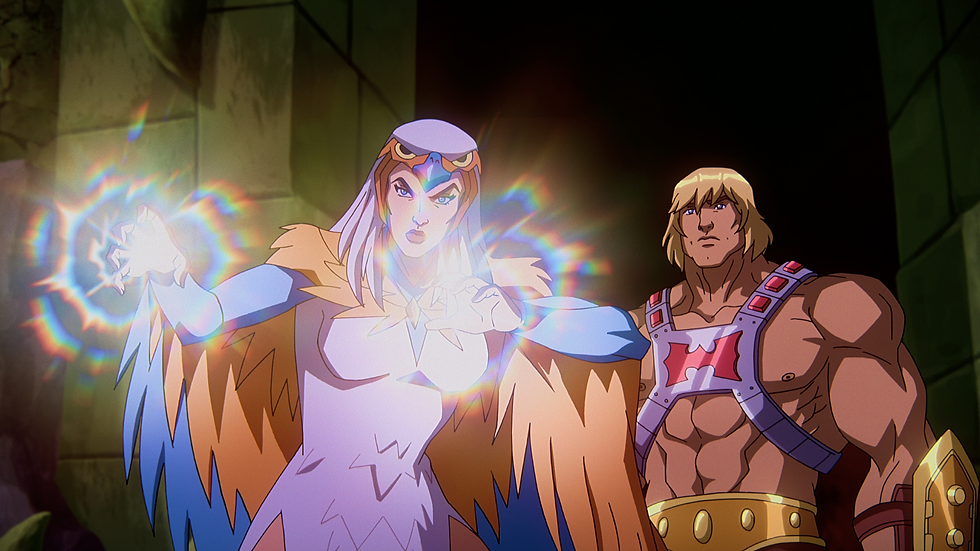
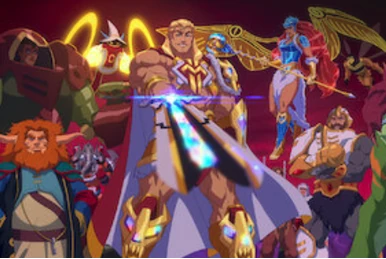
That endurance says something important. Some franchises are built only for the moment that created them. Masters of the Universe keeps coming back because the core idea remains strong: an ordinary prince discovers extraordinary power and must use it to defend his world from darkness. That is mythic storytelling. That is superhero storytelling. That is fantasy storytelling. And when handled with the right balance of sincerity and spectacle, it still works.
The New Movie Arrives at the Perfect Time
The new Masters of the Universe film arriving June 5, 2026, feels like a major moment for fans who have waited decades to see He-Man return to live action with modern resources behind him. Nicholas Galitzine has spoken about the intense physical transformation required to play He-Man, including a demanding training routine and major diet changes, which shows the production is taking the physical image of the character seriously.
The cast also signals a serious attempt to bring both star power and fresh energy to Eternia. Camila Mendes plays Teela, Idris Elba plays Duncan/Man-At-Arms, Jared Leto plays Skeletor, and the supporting cast includes names such as Alison Brie, Morena Baccarin, Jóhannes Haukur Jóhannesson and Kristen Wiig as the voice of Roboto.

What makes the timing even better for me personally is that the release lands right before my birthday. There is something beautiful about a childhood hero returning at the exact moment you are celebrating another year of life. It feels like the universe is saying, “Remember who you were. Remember what made you dream. Remember the stories that helped shape your imagination.” For every adult who once raised a toy sword in the living room and yelled “I have the power,” this weekend feels like a celebration.
Why the 1987 Movie Still Has Power
The 1987 Masters of the Universe movie still has power because it represents a specific kind of childhood magic that modern entertainment sometimes struggles to recreate. It came from a time when toy aisles, cartoons, comic books and movies all fed into one another, creating entire universes inside a child’s imagination. You did not just watch He-Man. You played He-Man. You created your own battles. You made Skeletor return after defeat. You built your own Eternia on the bedroom floor.
That is why the movie still matters, even with its flaws. It is tied to memory. It is tied to play. It is tied to a generation that learned storytelling through action figures, Saturday morning cartoons and VHS tapes. The film may not have been the definitive He-Man adaptation, but it kept the mythology alive in live action, and for many fans, that was enough to make it unforgettable.
Little-Known and Greatly Known Facts Worth Remembering
One fascinating fact about the 1987 film is that it was the first live-action Masters of the Universe movie, but not the first He-Man movie released theatrically. That honor belongs to the animated He-Man and She-Ra: The Secret of the Sword, which brought She-Ra into the mythology in 1985.
Another interesting detail is that the movie introduced Gwildor instead of using Orko, likely because bringing Orko to life convincingly in live action would have been difficult and expensive at the time. The Cosmic Key also became one of the movie’s most memorable inventions, giving the film a musical science-fiction device that helped move characters between Eternia and Earth.

The film’s villain lineup also reflected practical limitations and creative substitutions. Instead of filling the screen with every familiar toy and cartoon villain, the movie used characters such as Blade, Saurod and Karg alongside Evil-Lyn and Skeletor. That gave the film its own visual identity, even if some fans wished for more recognizable faces from the toy line.

And of course, the biggest widely known fact remains that Frank Langella’s Skeletor performance is often considered the film’s greatest triumph. For many viewers, he did not just save scenes. He owned them.
The Pop Culture Significance Is Bigger Than the Box Office
It is easy to look at the numbers and call the 1987 movie a failure, but pop culture does not always obey opening-weekend math. Some stories survive because fans refuse to let them disappear. Masters of the Universe is one of those stories. It survived because the iconography is too strong: the Power Sword, Castle Grayskull, Skeletor’s skull face, He-Man’s battle cry, Teela’s warrior spirit, the Sorceress, Eternia and the eternal struggle between heroic courage and corrupt power.

That is why this franchise continues to inspire toys, shows, comics, collectibles and now another live-action film. He-Man is not just a muscular warrior with a sword. He is a symbol of hidden strength. Prince Adam’s transformation into He-Man speaks to something deeply human: the belief that there is more inside us than the world can see.
That is powerful.
The Spiritual Bridge to S.O.L.A.D.™: Soldiers of Light Against Darkness™
One reason Masters of the Universe resonates so strongly is because at its core, it is a battle between light and darkness, courage and corruption, destiny and domination. He-Man is not powerful simply because he has a sword. He is powerful because he chooses to use that strength to protect others. Skeletor, on the other hand, wants power for control, worship and conquest. That contrast is what gives the story its mythic weight.
That same kind of struggle between light and darkness, calling and fear, destiny and spiritual warfare can also be found throughout my S.O.L.A.D.™: Soldiers of Light Against Darkness™ universe. In S.O.L.A.D.™, ordinary people are called into extraordinary battles and forced to discover whether they have the faith, courage and strength to stand against darkness when their world needs them most.
If you enjoy stories about chosen heroes, supernatural battles, powerful villains, spiritual warfare and the courage to stand when darkness tries to rule, I truly believe you’ll enjoy S.O.L.A.D.™: Soldiers of Light Against Darkness™.
Signed copies are available here:
The S.O.L.A.D.™ bookshop: www.tyronetonyreedjr.com/the-shop
At the end of the day, Masters of the Universe still matters because it reminds us that childhood wonder does not have to die when we grow up. Sometimes it waits patiently inside us until the right trailer, the right movie, the right memory or the right birthday weekend brings it roaring back.
And this weekend, as He-Man returns to theaters, that little kid inside me is smiling wide, standing tall and ready to say it one more time:
By the power of Grayskull… I have the power!


Comments