
Tony’s Timeless Thursdays™: Voltron: Defender of the Universe: The Robot Lion Cartoon That Made Teamwork Feel Legendary


Before superhero teams ruled the box office, before cinematic universes became Hollywood’s favorite language, before streaming platforms turned nostalgia into a business model and before every franchise had a reboot waiting in the wings, there was one giant robot that taught a generation something unforgettable:
Sometimes the strongest hero is not one person.
Sometimes the strongest hero is what happens when the team comes together.
That was the power of Voltron: Defender of the Universe.
For children of the 1980s, Voltron was more than a cartoon about robot lions. It was a ritual. It was the thrill of watching five separate machines become one unstoppable defender. It was Keith, Lance, Pidge, Hunk, Sven and Princess Allura risking everything to protect Planet Arus from King Zarkon, Prince Lotor, Witch Haggar and those monstrous Robeasts. It was the sound of a team locking into place. It was the excitement of waiting for the moment when the lions would combine. It was the kind of animated spectacle that made a kid’s imagination feel ten feet tall.
And once that blazing sword appeared, you knew the battle was about to change. That is why Voltron remains timeless. The animation may belong to the 1980s, but the message still feels powerful today. Alone, each lion was strong. Together, they became legendary.

Before Voltron Formed, the Pieces Came From Japan
One of the most fascinating things about Voltron is that the American series was built from Japanese anime. World Events Productions adapted footage from Toei Animation’s Beast King GoLion and Armored Fleet Dairugger XV, reworking those shows into a new English-language franchise for American audiences.
That history matters because Voltron helped introduce many children to anime before they even knew what anime was. A lot of kids watching in the 1980s did not understand international animation production, localization, dubbing or adaptation. They just knew the show looked different from many American cartoons. It had sharper action, bigger stakes, dramatic villains, serialized energy and giant mechanical lions that combined into one robot warrior.
It was not just another Saturday morning cartoon. It felt like something bigger, stranger and more intense had landed on television. The battles felt cosmic. The villains felt dangerous. The worlds felt far away. The robot designs were unforgettable. Even if children did not know the original Japanese source material, they knew they were watching something with a different flavor. That difference helped make Voltron stand out.

The Premise Was Simple, But Powerful
The core idea of Voltron is one of the greatest animated concepts of the 1980s. Five young heroes pilot five mechanical lions. Each lion is powerful on its own, but when the threat becomes too great, they join together to form Voltron, the Defender of the Universe.
That is clean, exciting storytelling.
The Black Lion forms the body. The Red and Green Lions form the arms. The Blue and Yellow Lions form the legs. Once the team comes together, Voltron becomes a towering warrior strong enough to face giant Robeasts and defend the innocent from evil.
But the concept works because the combination is not just mechanical. It is emotional.
Voltron only matters because the team matters. The lions do not form because one hero is showing off. They form because the mission requires unity. Every pilot has to do their part. Every lion has to be in position. Every piece has to connect. That is why the transformation still hits. It is not just cool animation. It is a picture of cooperation becoming power.
That is a lesson children could understand immediately. You can be strong by yourself. But when the right people come together with the right purpose, something greater can form.

Keith Was the Calm Leader at the Center
Keith was the leader of the Voltron Force and pilot of the Black Lion. He was not the loudest member of the team, but he carried the weight of command. His strength came through discipline, focus and responsibility. In a show filled with giant monsters and space battles, Keith helped give the team structure.
Every great team needs someone who can make hard decisions when danger is closing in. Keith had to think beyond his own lion. He had to think about the mission, the team and the people they were protecting. That made him important because leadership is not just about being first. It is about carrying responsibility when everyone else is counting on you.
Keith’s calm presence helped make the team believable. If Lance brought attitude, Hunk brought strength, Pidge brought intelligence and Allura brought heart and royal courage, Keith brought direction. He was the kind of leader who had to keep moving even when the odds looked impossible. That kind of leadership is not always flashy, but it is necessary.

Lance Gave the Team Edge and Attitude
Lance was the pilot of the Red Lion and often brought a sharper edge to the group. He had confidence, attitude and that rebellious energy that made him stand apart from Keith’s more controlled leadership style.
That kind of character is important in a team story because not every hero should sound or act the same. Lance gave the Voltron Force some spark. He could be brave, sarcastic, impulsive and bold, which made him a strong contrast to Keith. Sometimes that kind of personality can cause tension, but it can also bring fire when the team needs someone willing to push forward.
Lance represented the fighter who may not always be the easiest to command but absolutely belongs on the battlefield. He had courage, skill and enough personality to keep the team from feeling too stiff.
Every legendary team needs a Lance.

Pidge Proved Size Did Not Decide Value
Pidge, pilot of the Green Lion, was one of the most important reminders that strength comes in different forms. He was smaller and younger-looking than the others, but he brought intelligence, technical skill and bravery to the team.
Not every child watching Voltron felt like the biggest, strongest or loudest person in the room. Pidge gave those children a way to see themselves inside the team. He showed that being smaller did not mean being useless. Being smart mattered. Being brave mattered. Being quick mattered. Thinking your way through danger mattered.
Pidge helped teach that a team needs more than muscle. A team needs minds. It needs strategy. It needs people who can see what others miss. That is still true.

Hunk Brought Strength and Heart
Hunk, pilot of the Yellow Lion, was the big powerhouse of the team, but what made him memorable was that his strength came with warmth. He was not just a large character used for simple jokes. He gave the team muscle, loyalty and a big-hearted presence that helped balance the group.
Hunk was the kind of hero who could throw himself into danger but still feel approachable. He represented protective strength, the kind of strength that stands between danger and the people who need help.
Characters like Hunk matter because physical power without heart can become empty. Hunk’s strength worked because it felt connected to loyalty. He was not fighting to prove he was better than everyone else. He was fighting because his friends and innocent people needed him.
That made him more than the strong one. It made him dependable.
Sven and Princess Allura Gave the Blue Lion an Emotional Legacy
In the original Lion Force story, Sven piloted the Blue Lion before Princess Allura stepped into that role. That transition gave the Blue Lion a special emotional place in the series because it showed that heroism could pass from one person to another when the mission demanded it.

Sven was brave, skilled and part of the original team, and his loss from the main lineup gave the early story real weight. Then Princess Allura became more than the royal figure the team had to protect. She became a pilot. She became part of Voltron. She stepped into danger instead of watching safely from a throne.

Allura could have been written only as the princess in distress, but Voltron made her part of the fight. She had grief, duty, courage and love for her people. She represented the heart of Planet Arus and the future the team was trying to defend. When she became part of Voltron, the mission became even more personal. She was not just ruling from a distance. She was standing with the team.
King Zarkon, Prince Lotor and Haggar Gave Evil a Face
Every great hero team needs villains big enough to make unity necessary, and Voltron had that in King Zarkon, Prince Lotor and Witch Haggar.
King Zarkon was the tyrant, the ruler of Planet Doom and the kind of villain who wanted domination across the universe. He represented cruelty, conquest and corrupt power. He did not want peace. He wanted control.
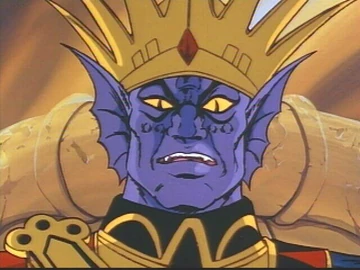
Prince Lotor brought a different kind of danger. He was ambitious, arrogant and often obsessed with Princess Allura. He gave the show personal tension because his villainy was not only political or military. It was emotional and possessive. That made him memorable because he could be charming, dangerous and completely untrustworthy at the same time.

Then there was Haggar, whose dark magic helped create the Robeasts that challenged Voltron. Haggar gave the show a supernatural edge. She was not simply a scientist building machines. She was a witch twisting power into monstrous forms. Her presence made the evil side of the series feel stranger and more dangerous.

Together, they gave the show a strong villain foundation. Zarkon wanted the universe. Lotor wanted power and Allura. Haggar turned darkness into monsters. That gave Voltron plenty to fight.
Robeasts Made Every Battle Feel Bigger
The Robeasts were one of the most exciting parts of Voltron. They were giant monsters created to challenge the lions and force the team to form Voltron. For children watching at home, the formula worked beautifully because every Robeast brought a new visual threat.
Some were strange. Some were frightening. Some were absurd in that wonderful 1980s monster-of-the-week way. But they all served the same purpose: they raised the stakes.
The lions could fight separately for a while, but sooner or later, the team usually needed to combine. That made the Robeasts feel like the final test of each episode. They were not just enemies. They were the reason the show could deliver the moment everybody was waiting for.
The formation sequence. The blazing sword. The final strike.
That pattern became part of the joy. Kids did not get tired of it because repetition can become ritual when it is done with excitement. Voltron understood that.

The Voice Cast Helped Make the Universe Feel Big
The voice cast of Voltron: Defender of the Universe deserves real credit because they helped give personality and power to a story built from adapted animation. These performers had to make the world feel coherent, exciting and emotionally clear for American audiences, and their voices became part of the franchise’s identity.
Peter Cullen, already one of the most iconic voices in animation because of Optimus Prime, served as the narrator and voiced characters including Coran and King Alfor. His presence gave the series weight. When Cullen narrated, the show felt epic before the episode even fully began. His voice had the kind of authority that made children believe the universe was truly at stake.
Michael Bell voiced Lance and Sven, giving the team some of its heroic personality and emotional range. Neil Ross voiced Keith and Pidge, helping shape both the team’s leader and one of its youngest, smartest members. B.J. Ward brought Princess Allura, Haggar, Nanny and other characters to life, showing impressive range by voicing both heroic and villainous energy within the same franchise. Lennie Weinrib voiced Hunk and Prince Lotor, which is amazing when you think about how different those characters are: one a loyal powerhouse and the other a sinister royal threat. Jack Angel also added his talents to the villain side, including King Zarkon.
That voice talent mattered because Voltron could have easily felt stiff if the performances did not sell the stakes. Instead, the cast made the team feel heroic, the villains feel dangerous and the universe feel alive. They helped turn a reworked international cartoon into a childhood classic.

The Theme and Transformation Were Pure 1980s Electricity
Some cartoons had catchy songs. Voltron had an opening that felt like a mission briefing for the fate of the universe.
The narration, the music, the space visuals and the build toward Voltron created instant excitement. The show knew how to make children feel like they were being called into something massive. This was not just a neighborhood adventure or a schoolyard problem. This was cosmic war. This was good versus evil across galaxies.
Then came the transformation language. Fans still remember the rhythm of the commands because those words were part of the experience. Forming the feet and legs. Forming the arms and body. Forming the head. Then the blazing sword. It was mechanical, dramatic and unforgettable.
That sequence worked because it made the audience wait for the payoff. The lions could battle separately, but the moment they combined, the whole energy changed. Voltron’s formation was more than animation recycling. It was anticipation. It was victory beginning to take shape.
The show trained an entire generation to understand that the best moment comes when everybody finally connects.
The Toys Made Voltron Feel Real
Voltron was also a toy dream. A robot that split into five lions and then combined into one giant warrior was almost perfectly designed for the toy aisle. Kids did not just want to watch Voltron. They wanted to build him. They wanted to hold the lions, combine them, separate them, create their own battles and recreate the formation sequence at home.
That is part of why the franchise became so memorable. The concept worked on television and in children’s hands. A child could play with the Black Lion, Red Lion, Green Lion, Blue Lion and Yellow Lion separately, then bring them together into something bigger.
That kind of toy design reinforced the show’s message. Even in play, kids were learning the idea of unity. The pieces mattered, but the combination mattered more. A lot of 1980s franchises were connected to toys, but Voltron’s toy concept felt especially powerful because the toy itself embodied the story. Five parts. One defender.

The Similarities to Mighty Morphin Power Rangers Are Hard to Miss
One of the reasons Voltron: Defender of the Universe still feels so familiar to later generations is because so many of its core ideas echo through shows that came after it, especially Mighty Morphin Power Rangers. The two franchises are not the same, but the similarities are hard to miss: color-coded heroes, individual machines, team formation, giant monsters, dramatic commands, toy-friendly designs and the unforgettable thrill of separate parts coming together to create one massive defender.
For 1980s kids, Voltron gave us five lion pilots who had to work together to form one giant robot. For 1990s kids, Mighty Morphin Power Rangers gave us teenagers with attitude who called on Dinozords and later combined them into the Megazord. In both shows, the pattern became part of the excitement. The heroes could fight separately for a while, but when the threat grew too large, the real magic happened when the team united.
That is why both franchises connected so strongly with children. They made teamwork visual. They did not just tell kids that every role mattered. They showed it. One lion alone could fight, but it could not become Voltron without the others. One Zord alone could battle, but the Megazord required everyone to lock in. Those formation sequences became more than reused animation. They became rituals of unity.
The Japanese influence also connects the two franchises in an important way. Voltron was adapted for American audiences from Japanese anime, while Mighty Morphin Power Rangers was adapted from Japan’s long-running Super Sentai franchise. In both cases, American children were introduced to Japanese-style action, teamwork, monsters, giant robots and transformation-driven storytelling, sometimes without realizing how much international creativity was shaping their childhood television.
The tones were different, of course. Voltron leaned more into space opera, anime drama and galactic war, while Mighty Morphin Power Rangers mixed martial arts, teen life, monsters, comedy and superhero energy. But both understood the same basic truth: kids love teams, kids love colors, kids love giant robots and kids love that moment when the heroes stop fighting separately and become something bigger together.
That is part of Voltron’s legacy. It helped prepare audiences for the kind of team-based, transformation-heavy, giant-robot storytelling that would later become a major part of 1990s pop culture. Before kids were shouting “It’s Morphin Time!” and watching the Megazord rise, many of us were already watching five robotic lions form the Defender of the Universe.
Different franchises. Different generations. Same powerful lesson.
When the team comes together, the battle changes.

Vehicle Team Voltron Deserves Respect Too
When people talk about Voltron, they often focus on Lion Force Voltron, and that makes sense because the five lions became the most iconic version of the franchise. But Vehicle Team Voltron also deserves recognition.
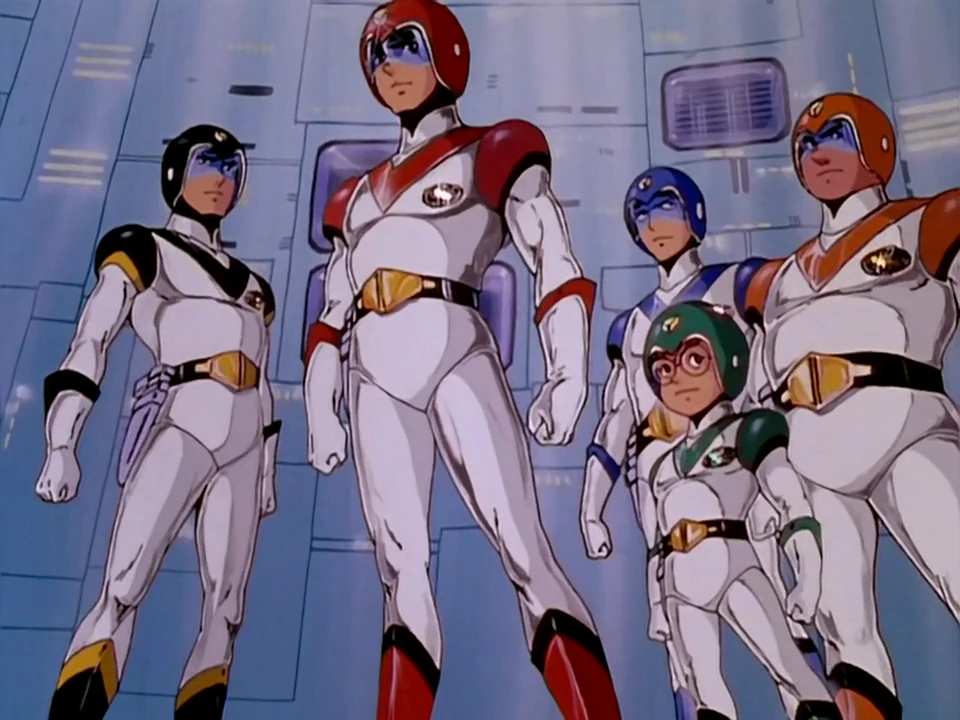
Vehicle Team Voltron came from the Armored Fleet Dairugger XV side of the adapted material and featured a much larger team with multiple vehicles combining into a different version of Voltron. Instead of five robot lions, this version used land, sea and air vehicles to form the giant robot.
For some fans, Vehicle Voltron never hit with the same emotional force as Lion Voltron. The lion designs were easier to remember, easier to merchandise and easier for children to connect with. But Vehicle Voltron expanded the idea of what the franchise could be. It showed that Voltron was not limited to one team, one design or one setting.
It also pushed the teamwork idea even further. Five pilots combining is powerful. Fifteen vehicles combining requires even more coordination. That made Vehicle Team Voltron a fascinating part of the mythology, even if Lion Force remained the version most people carried in their hearts.

Fleet of Doom Gave Fans a Big Crossover Event
In 1986, Voltron: Fleet of Doom brought together the Lion Force and Vehicle Team in a crossover special. For fans of the franchise, that was a big deal because it united the two main Voltron teams against a larger threat.
Today, crossover events are everywhere. Superhero movies, streaming shows and comic-book universes constantly bring characters together for major team-ups. But for children watching in the 1980s, seeing both Voltron teams connected in one story felt special.
It made the universe feel bigger. It made the stakes feel higher. It made the name “Voltron” feel like more than a single robot. It became a legend with different forms, different teams and a shared mission to defend the universe.
That is exactly the kind of franchise-building that fans still love.

The Later Series Kept the Legend Alive
The Voltron legacy did not stop with the original 1980s run. The franchise continued through new versions, including Voltron: The Third Dimension, Voltron Force and Voltron: Legendary Defender.

Voltron: The Third Dimension arrived in the late 1990s and used CGI to continue the story in a new visual style. Like many early CGI shows, it reflected the technology of its time, but it also showed that Voltron could evolve with changing animation trends.
Voltron Force brought the franchise back in the early 2010s with a new generation angle, combining familiar legacy heroes with younger characters. That kind of approach made sense because Voltron has always been about passing responsibility forward. A defender of the universe cannot belong to only one generation.

Then came Voltron: Legendary Defender, which introduced the franchise to a massive new audience through DreamWorks and Netflix. That version modernized the characters, deepened the mythology, expanded emotional arcs and made Voltron feel fresh for viewers who may not have grown up with the original series. For many younger fans, Legendary Defender became their Voltron the way the 1984 series belonged to an earlier generation.
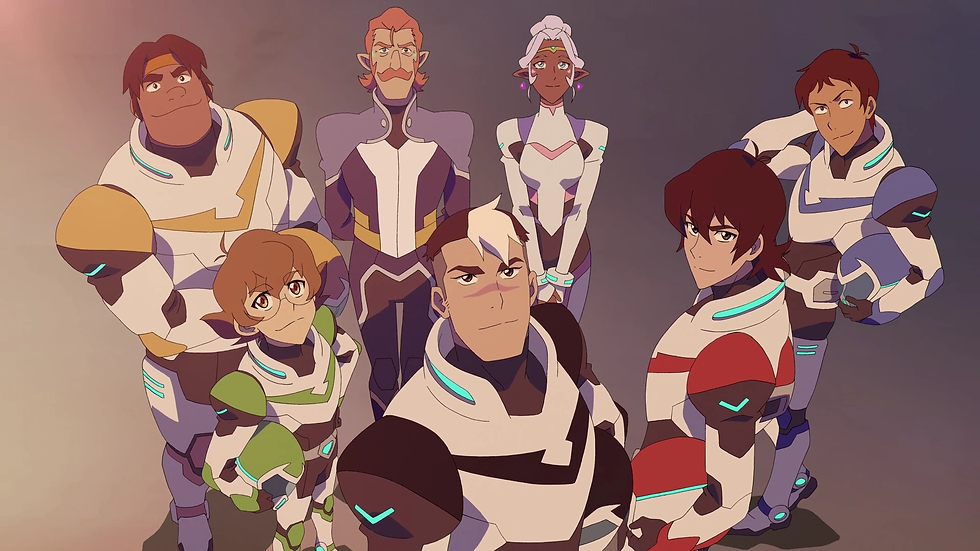
That is how legacy works. The form changes, but the core survives.
The Live-Action Future Shows Voltron Still Has Power
The fact that Hollywood continues trying to bring Voltron into live action shows just how strong the concept remains. A giant robot formed by a team of pilots controlling robotic lions is still a blockbuster idea. It has action. It has emotion. It has scale. It has toys. It has mythology. It has nostalgia. It has a built-in message about unity that still works.
The upcoming live-action Voltron project from Amazon MGM Studios has drawn attention because fans want to see whether modern visual effects can finally deliver the full power of the lions, the formation and the blazing sword in a way that feels worthy of the franchise’s legacy. The film is directed by Rawson Marshall Thurber, with a screenplay by Ellen Shanman and Thurber, giving the project a filmmaker who clearly understands that this cannot just be another giant-robot spectacle. It has to feel like Voltron.
The cast also gives the project major attention. The reported lineup includes Daniel Quinn-Toye, Henry Cavill, Sterling K. Brown, Rita Ora, John Harlan Kim, Alba Baptista, Samson Kayo, Tharanya Tharan, Laura Gordon, Tim Griffin and Nathan Jones. That is a strong mix of rising talent, recognizable names and proven performers, which makes the project even more interesting. Henry Cavill alone brings major genre credibility because fans know how deeply he respects fantasy, gaming, comics and fandom-driven storytelling. Sterling K. Brown brings emotional weight and dramatic power. Rita Ora brings pop-culture energy. Daniel Quinn-Toye’s involvement as a major young lead gives the film a chance to introduce a new generation of pilots instead of simply leaning on nostalgia.
That last part matters. A live-action Voltron movie cannot survive on visual effects alone. It has to make audiences care about the people inside the lions. The formation will only hit if the team matters before they combine. The blazing sword will only feel powerful if we understand what the pilots are fighting for. The lions will only feel legendary if the characters controlling them have heart, conflict, courage and purpose.
That is the tricky challenge because Voltron is not just about making a giant robot look cool. The movie has to understand why the robot matters. It has to care about the pilots. It has to respect the team dynamic. It has to make the formation feel earned. It has to remember that the heart of Voltron is unity, not just size.
If a live-action version gets that right, it could introduce the Defender of the Universe to a whole new generation.

Why Voltron Still Matters
Voltron: Defender of the Universe still matters because its central message is simple, visual and powerful.
Teamwork matters.
Unity matters.
Courage matters.
Every role matters.
The leader matters, but so does the strategist. The strong one matters, but so does the heart. The princess matters, but not because she needs saving. She matters because she chooses to fight. The small one matters. The bold one matters. The loyal one matters. The mentor matters. The whole team matters.
That is why Voltron remains such a strong symbol. He is not only a robot. He is what happens when people stop operating separately and come together for a purpose greater than themselves.
That message is timeless because every family, team, church, friendship, business, community and movement eventually has to learn it. If the pieces refuse to connect, the mission suffers. If everyone insists on being the whole body by themselves, nothing forms the way it should.
Voltron taught that lesson with robot lions and space battles, but the truth underneath it is real.
The Spiritual Bridge to S.O.L.A.D.™: Soldiers of Light Against Darkness™
One reason Voltron connects so strongly to S.O.L.A.D.™: Soldiers of Light Against Darkness™ is because both stories understand the power of unity in the face of darkness.
In Voltron, one lion alone can fight, but the greatest battles require the team to come together. The pilots have different personalities, different roles and different responsibilities, but they become most powerful when they are united by purpose. Darkness does not wait for them to feel ready. Zarkon, Lotor, Haggar and the Robeasts keep coming, and the team has to rise anyway.
That same truth lives inside S.O.L.A.D.™. Ordinary people are called into extraordinary battles, and they must discover that courage is not only individual. It is also collective. Angelo™, Angeline™ and the others are not simply fighting for themselves. They are standing against darkness for something bigger than personal survival. They are protecting people, purpose, family, faith and light.
That is what makes stories like Voltron and S.O.L.A.D.™ matter. They remind us that darkness wants division. Darkness wants confusion. Darkness wants the team separated, discouraged and doubting one another. But when people stand together with courage, faith and purpose, something stronger begins to form. That is the real power.

Final Thoughts: Form Blazing Sword
At the end of the day, Voltron: Defender of the Universe remains timeless because it gave children one of the clearest and coolest pictures of teamwork ever put on television.
Five lions.
One robot.
Different pilots.
One mission.
Separate strengths.
United power.
That is why fans still remember the transformation. That is why the toys still matter. That is why the theme still stirs nostalgia. That is why the franchise keeps returning in new forms. Voltron was never just about metal, lasers and monsters. It was about connection. It was about people becoming stronger together than they could ever be alone.
And in a world that often feels divided, distracted and determined to pull people apart, that message may be more important than ever.
The universe still needs defenders. The mission still requires unity. And somewhere in the heart of every longtime fan, when the danger rises and the team finally comes together, we can still hear the call: “Form blazing sword!”



Comments